
Michigan Theater Seating Chart
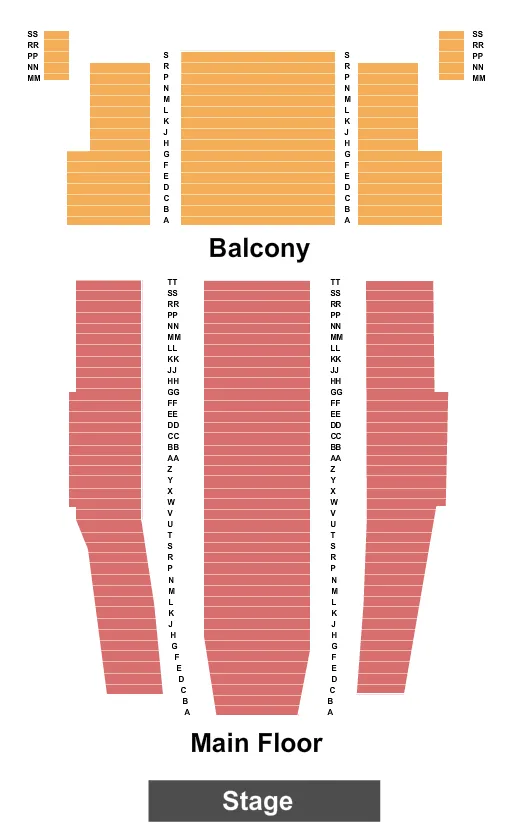
The Michigan Theater is a historic venue built in 1928, renowned for its elegant architecture, Barton Pipe Organ, and diverse programming including films, concerts, and live performances. The main auditorium seats approximately 1,700 patrons and features two primary seating sections: the Main Floor (often referred to as the Orchestra) and the Balcony. There’s also a smaller Screening Room, but this guide focuses on the main auditorium’s sections, highlighting their unique offerings, views, acoustics, and tips for an optimal experience. Note that seating can vary slightly by event, so always check the specific seating chart. Accessibility is addressed in a dedicated section below.
Main Floor (Orchestra)
The Main Floor, or Orchestra section, is the ground-level seating area closest to the stage, offering an intimate and immersive experience. This section spans from the front rows directly in front of the stage to the back near the entrance, with rows typically labeled A through Z or similar, accommodating around 1,000 seats. Seats are arranged in a semi-circular layout with a central aisle for easy access, and numbering usually starts from the center outward (e.g., seats 101-120 on the left, right, and center blocks).
What it offers: Proximity to performers makes this ideal for concerts, plays, or films where details like facial expressions or musical nuances matter. The acoustics here are exceptional, enhanced by the theater’s historic design and the occasional use of the orchestra pit for live music. Views are unobstructed in the front rows, providing a direct line of sight to the stage and screen. However, rear rows may feel slightly distant for visual-heavy events.
Amenities include ample legroom in premium front seats, though standard seats have moderate comfort with plush cushioning. Pros include energy from the crowd and stage, while cons might be higher ticket prices and potential neck strain in very front rows.
Tip: Opt for center seats in rows G-L for balanced views and sound; avoid edges if you prefer symmetry.
Balcony
The Balcony is the elevated upper level, accessible via stairs from the lobby, providing a bird’s-eye perspective of the stage. This section seats about 700 patrons, with rows often labeled AA through MM, curving around the auditorium for a panoramic view. Seat numbering follows a similar pattern to the Main Floor, with central blocks offering the best symmetry. What it offers: Elevated positioning delivers a broader overview, perfect for large-scale productions like orchestras or films where seeing the full stage setup is key.
Acoustics remain strong due to the theater’s vaulted ceiling, but sound can feel slightly diffused compared to the floor. Views are generally excellent, with minimal obstructions, though extreme side seats might have partial views of stage wings. The Balcony’s historic charm shines here, with ornate railings and chandeliers enhancing the ambiance. Pros include cheaper tickets, a more relaxed atmosphere, and great for groups, but cons involve steeper inclines (which can be tiring to climb) and a sense of removal from the action.
Tip: Choose front balcony rows (e.g., AA-EE) for closer views without excessive height; bring binoculars for detailed performances.
Note: The Balcony lacks elevator access, so it’s not ideal for those with mobility issues.
Screening Room
Though smaller (around 200 seats), the Screening Room is a cozy annex for intimate film screenings and events. Seats are arranged in straight rows A-N, with a simple layout focused on the screen. It offers excellent sightlines from all angles, superior sound isolation, and comfortable, modern seating with good legroom. This section is great for arthouse films or talks, providing a quieter alternative to the main auditorium.
Pros: Intimate vibe and easy access; cons: Limited capacity and no stage for live acts.
Tip: Arrive early for general admission events to secure prime center seats.
Accessibility
Michigan Theater prioritizes inclusivity in its main auditorium and Screening Room. Accessible seating includes wheelchair spaces with one companion seat each, marked on seating charts and available on a first-come, first-served basis for general admission. In the Main Auditorium, these are primarily on the Main Floor, as there’s no ADA access to the Balcony (no elevator; stairs only). Patrons needing wheelchair spots or transfers should contact the box office at [email protected] or 734-668-8397 for Ticketmaster events, or use the “Need Accessible Seating” button online for others. Features include assistive listening devices, descriptive audio (Main Auditorium only), and closed captioning devices. Staff assist with mobility from the entrance but not transfers. For hearing or visual impairments, request specific seating in advance. The venue’s historic nature limits some retrofits, but ramps and wide aisles aid navigation.
NOTE: The above seating map can be subject to change. This depends on the type of event. Always check the seating map when selecting your tickets for each individual event.
Grab your tickets today and reserve your desired seats! View the Michigan Theater schedule to see all the upcoming events.
To read more about the ticket and refund policies, check out the ticket information page.