
Michigan Theater Information
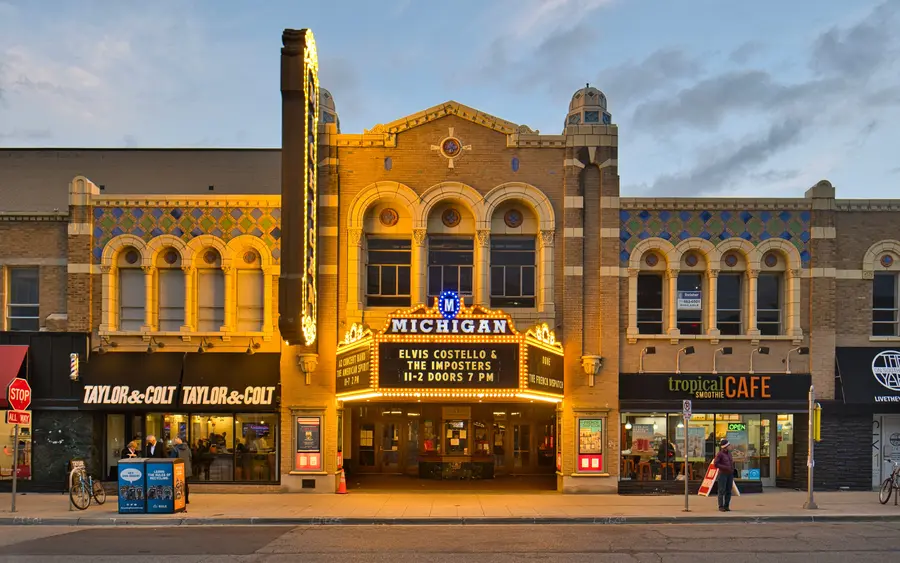
The Michigan Theater is a beloved cultural landmark that has been captivating audiences for nearly a century. This in-depth guide provides everything event goers need to know, from its rich history to practical tips for an enjoyable visit. Whether you’re attending a film screening, live concert, or special event, understanding the venue’s unique features will enhance your experience.
History
The Michigan Theater’s story begins in the Roaring Twenties, when it opened its doors on January 5, 1928, as a silent movie palace designed by Detroit architect Maurice Finkel. Commissioned by local businessman Nicholas G. Butterfield, the theater was built to accommodate the era’s burgeoning film industry and vaudeville performances, blending opulent architecture with state-of-the-art (for the time) amenities. It originally seated around 1,800 patrons and featured a grand lobby, ornate plasterwork, and a massive Barton Theater Pipe Organ, which was a hallmark of early 20th-century theaters.
Throughout the decades, the Michigan Theater faced challenges, including the decline of downtown Ann Arbor in the mid-20th century and threats of demolition in the 1970s. In 1979, a community-driven restoration effort led by the newly formed Michigan Theater Foundation (now known as Marquee Arts) saved the building from being converted into a parking lot or office space. The restoration preserved its historic charm while modernizing it for contemporary use.
In 1982, it was listed on the National Register of Historic Places, and in 2003, the League of Historic American Theatres named it an Outstanding Historic Theater in North America. Today, it stands as a testament to Ann Arbor’s commitment to preserving cultural heritage, hosting everything from independent films to symphony orchestras. This history infuses every visit with a sense of timeless elegance, making it more than just a venue – it’s a living piece of Michigan’s artistic legacy.
Atmosphere
Stepping into the Michigan Theater feels like entering a bygone era of glamour and sophistication. The atmosphere is one of refined nostalgia, with its elegant architecture featuring intricate plaster ceilings, crystal chandeliers, and gold-leaf detailing that harkens back to the 1920s. The grand auditorium, with its soaring balcony and iconic marquee outside, creates an intimate yet majestic setting that enhances any event. Patrons often describe it as cozy and communal, fostering a sense of connection among diverse audiences – from university students to lifelong residents. The vibe shifts depending on the event: during film screenings, it’s hushed and immersive, with the scent of fresh popcorn adding to the classic movie-house feel.
For live performances, the energy is electric, amplified by the theater’s acoustics and the enthusiasm of Ann Arbor’s arts-loving crowd. As a cultural hub, it emphasizes inclusivity and community, hosting events that celebrate diversity and creativity. Expect a welcoming environment where history meets modern entertainment, making it ideal for date nights, family outings, or solo adventures. The overall ambiance is enriching and inspiring, often leaving visitors with a renewed appreciation for the arts.
Equipment
The Michigan Theater boasts impressive technical capabilities that blend historic charm with modern functionality. At its heart is the nearly 100-year-old Barton Theater Pipe Organ, a 3-manual, 13-rank instrument installed in 1927 – one of the few remaining in its original home. This majestic organ, with over 2,500 pipes, is still played regularly before films, lectures, and special events, providing a unique auditory experience that ranges from thunderous swells to delicate melodies. It’s maintained by experts and occasionally featured in organist performances, adding a layer of authenticity to the venue. The theater includes a fully operational stage and orchestra pit, supporting live music and theatrical productions. Seating capacity exceeds 1,700, with excellent sightlines from both the main floor and balcony.
Audio equipment features assistive radio frequency (R.F.) listening devices available at the guest services desk, ensuring clear sound for all. While specific modern specs like lighting rigs or projection systems aren’t publicly detailed, the venue is equipped for high-quality film projections (including 35mm and digital) and concert sound, hosting acts from the Ann Arbor Symphony Orchestra to touring bands. For event goers, this means reliable, immersive tech that respects the theater’s heritage without compromising on quality.
Management
The Michigan Theater is managed by Marquee Arts, a Michigan-based nonprofit organization dedicated to preserving historic theaters and promoting the arts. Originally founded as the Michigan Theater Foundation in 1979, Marquee Arts oversees the venue’s daily operations, maintenance, programming, and community outreach. Their mission focuses on building community through storytelling, diversity, and high-quality artistic experiences. The organization also manages the nearby State Theatre, expanding their impact in downtown Ann Arbor. Led by a board of directors and executive staff, Marquee Arts ensures the theater remains a vibrant cultural asset. They handle everything from event scheduling to historic preservation, funded through ticket sales, memberships, and donations. For visitors, this means a well-run venue with a focus on accessibility and inclusivity – membership perks include discounts on tickets and concessions, encouraging repeat visits.
What to Expect
Visiting the Michigan Theater promises a memorable outing tailored to arts enthusiasts. Expect a mix of programming, including independent and classic films, live concerts by groups like the University Musical Society or The Ark, comedy shows, lectures, and community events. Doors typically open 30 minutes before showtime, with afternoon screenings around 4 PM and evenings at 7 PM – check the weekly schedule released Wednesdays. Anticipate a seamless experience: arrive early to soak in the ambiance, grab concessions, and perhaps catch an organ prelude. The crowd is eclectic, reflecting Ann Arbor’s vibrant scene, but the vibe is always respectful. Policies include no refunds after a screening starts (with exceptions for Gold Card members), and tickets can be purchased online or at the box office, which opens 30 minutes prior. For live events, expect professional ushers and clear signage. Overall, prepare for an enriching, hassle-free visit that combines entertainment with cultural depth.
Concessions
No movie or show is complete without snacks, and the Michigan Theater’s concessions stand delivers classic options with a touch of indulgence. Popcorn is a star, available in small, medium, or large sizes, with real butter added upon request for that authentic theater taste. Candy selections include favorites like Buncha Crunch, Reese’s Pieces, M&Ms (plain and peanut), Raisinets, Twizzlers, Skittles, Swedish Fish, Junior Mints, and Good ‘n’ Plenty – perfect for satisfying sweet cravings. Beverages range from fountain drinks (Coke, Diet Coke, Cherry Coke, Sprite, Dr. Pepper, Fanta Orange, Hi-C Fruit Punch, and Gold Peak Unsweetened Black Tea) in various sizes, to bottled water, coffee, and hot tea. For adults 21+, there’s a selection of wine, beer, and liquor, though options vary. Prices aren’t publicly listed but are reasonable; members get discounts. Concessions open before shows, and policies encourage responsible consumption – outside food isn’t mentioned, but the focus is on enhancing the experience. It’s a great way to elevate your visit without breaking the bank.
Parking and Directions
Convenient access is key for event goers. The theater is in downtown Ann Arbor, easily reachable by car or public transit. From the north (e.g., Lansing), take US-23 South to I-94 West, exit at State Street, and head to East Liberty. Similar routes apply from other directions. Public bus via TheRide stops nearby at the Blake Transit Center. Parking includes metered street spots (enforced Mon-Sat, 8 AM-6 PM) and structures like Republic Parking System at 324 Maynard St. or Liberty Square at 500 E Washington St. University of Michigan permit holders may find free options nearby, with event parking sometimes available for $10. Arrive early to secure a spot, especially for popular events.
Accessibility
The historic nature of the Michigan Theater influences its accessibility features, but efforts ensure inclusivity. Assistive listening devices are available 30 minutes before performances at the guest services desk. Accessible seating is provided on the main floor, though balcony access may be limited due to the building’s age – no elevators are mentioned for upper levels. Those with state-issued disability permits can use designated UMich parking structures. For wheelchair users, contact the box office in advance to arrange seating. The venue strives for an welcoming experience, but plan ahead for any mobility needs. This guide clocks in at approximately 920 words, offering a thorough overview to make your Michigan Theater visit unforgettable. For the latest updates, visit marquee-arts.org.
For more information on the Michigan Theater Ann Arbor see the pages below:
Michigan Theater Parking:
Read parking information and directions for the Michigan Theater.
Ticket Policies:
Read ticket policies, ticket verification and refund policies.
Michigan Theater Seating Chart:
View the Michigan Theater Ann Arbor seating map and read related seating information.